

New Products

CONTACT US
ADDRESS:
Room 320, Sunshine International Plaza, Luojiang District, Quanzhou City, Fujian Province,China
PHONE:+86-15203564410
EMAIL:
michael@jwayind.com
By Michael Yan – Founder, JWIC(13 Years of Experience in Construction Machinery Wear Parts)
The "Hardness Trap" in Quarry Applications
In my 13 years of exporting bucket teeth, I have heard one request more than any other: "I need higher hardness."
Many buyers assume that higher hardness (HRC) automatically guarantees a longer service life. But in real working conditions—especially in hard rock,
granite quarries, and high-impact environments—this assumption is often wrong.
At JWIC (Quanzhou Jayway Industry Co., Ltd.), we repeatedly see the same failure pattern: hardness test reports look perfect, yet the teeth crack or fracture suddenly, often within a short service period.
Why Good Numbers Can Lead to Bad Results
The problem is simple: Hardness measures wear resistance, not impact resistance.
In a quarry, bucket teeth endure repeated, massive shock loads. If a tooth is manufactured solely to achieve a high hardness number (e.g., HRC 53-55), it often becomes brittle. Without sufficient toughness, the metal cannot absorb the shock energy. Instead, that energy turns into cracks.
We often see "high hardness" teeth in the market that only achieve an impact value of less than 15J. In soft soil, this is fine. But in hard rock, this is a recipe for disaster. The tooth will snap before it even has a chance to wear out.
The Hidden Factors: Chemistry and Weight
So, what actually prevents cracking? It’s not just the heat treatment; it’s the recipe.
To survive in high-impact conditions, a tooth needs a balanced alloy composition—specifically, sufficient levels of Nickel (Ni) and Molybdenum (Mo) to boost toughness. However, these elements are expensive, and many generic suppliers cut them out to lower costs.
At JWIC, we believe in a balanced approach. For hard rock applications, we don't just chase the highest HRC number. Instead, we aim for a "Sweet Spot":
Hardness: Maintained at a durable level (e.g., HRC 48-52).
Toughness: Ensuring impact values are consistently above 20J.
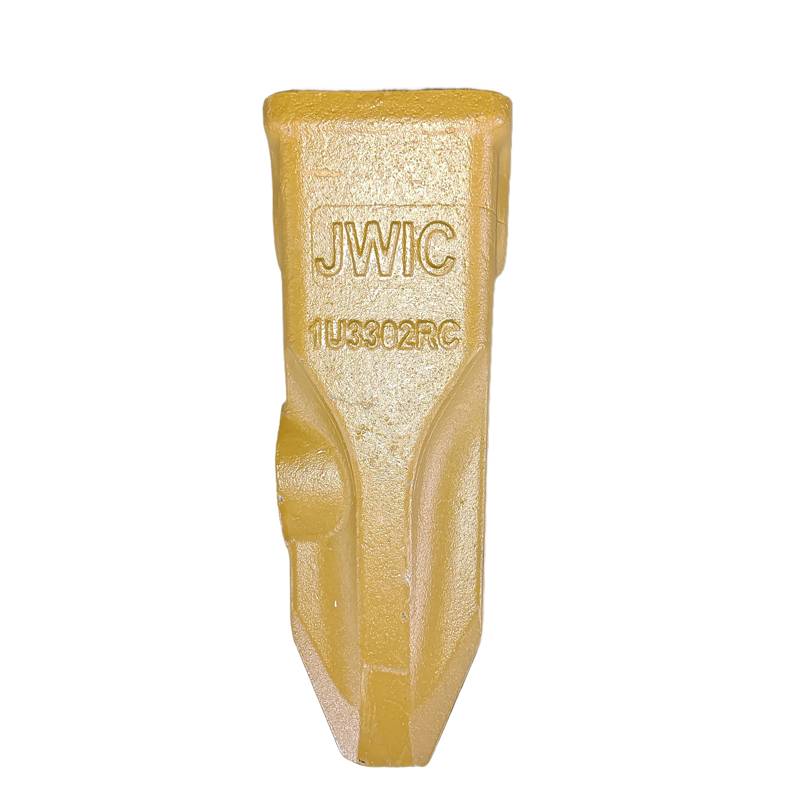
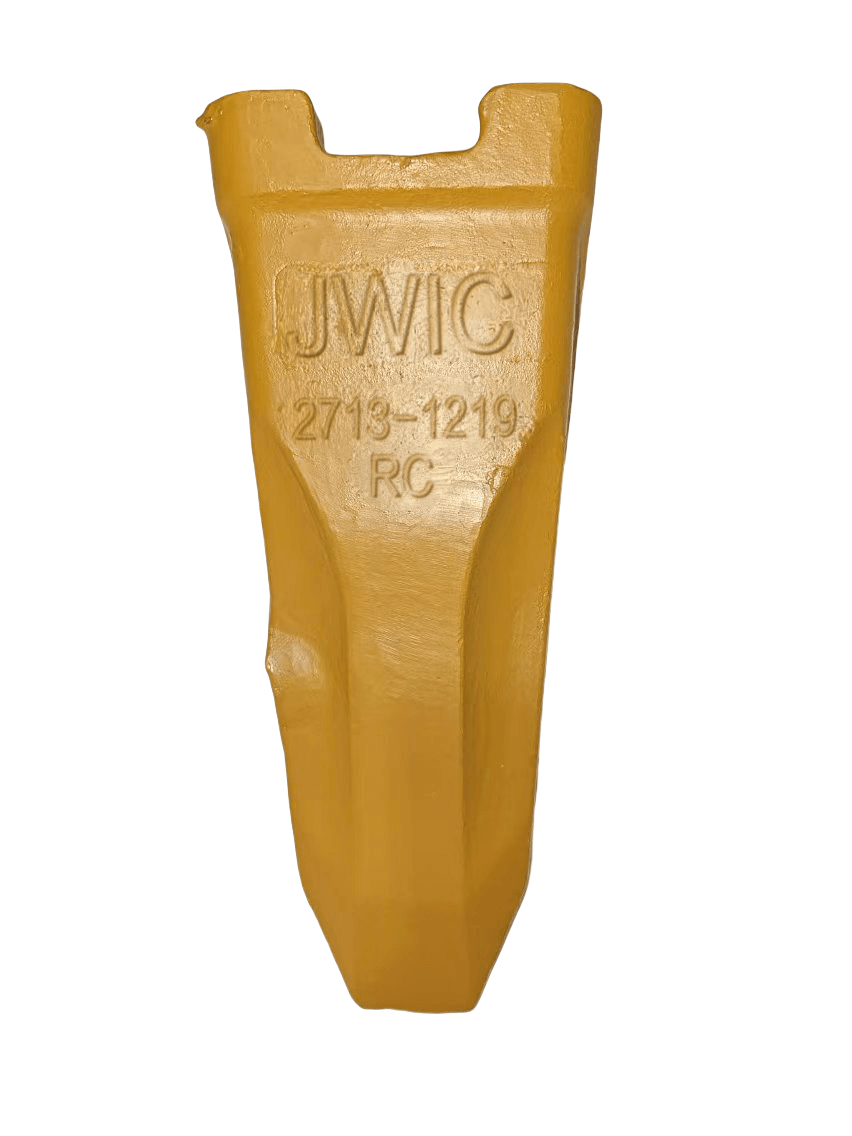
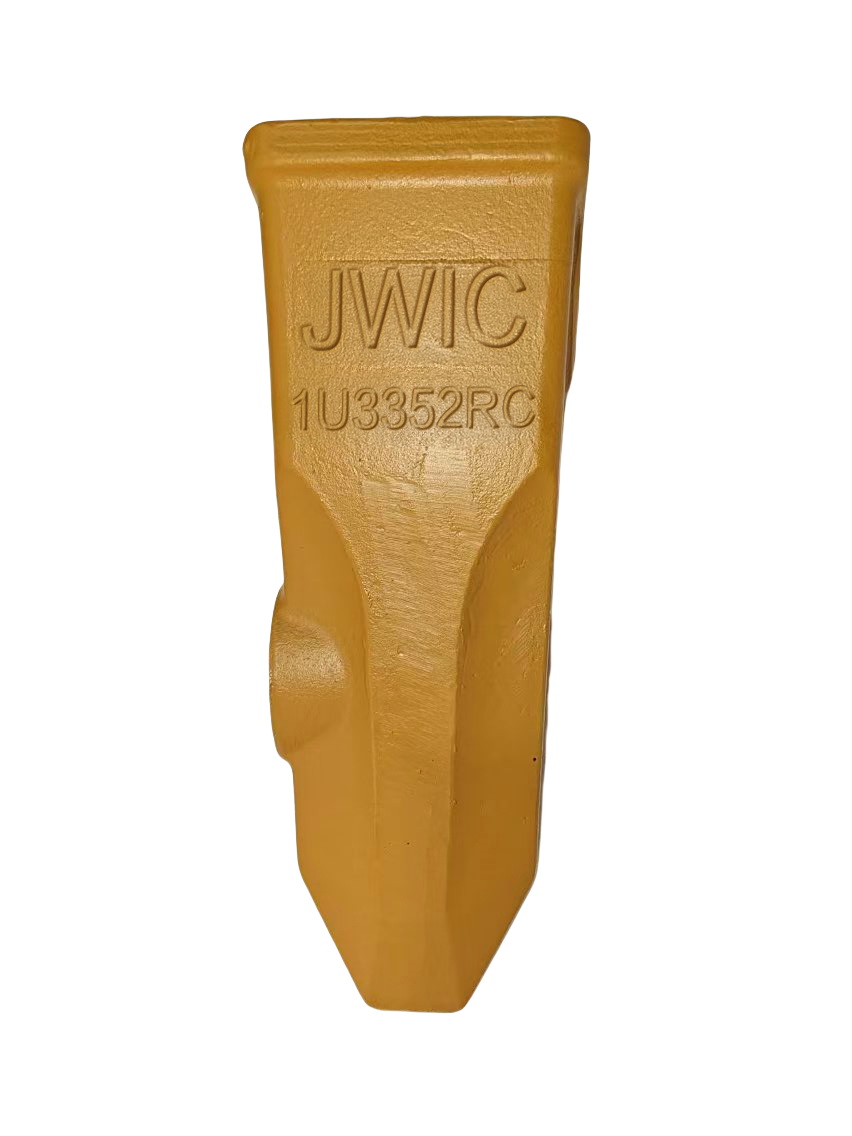
Structure: Using heavier, reinforced designs (like RC-type chisels) to physically buffer the shock.
The JWIC Difference: Application First, Sales Second
This is why changing brands often doesn't solve the problem—because many factories use the exact same molds and the exact same "economy" chemical formula.
When you work with JWIC, we start by asking: What are you digging?
If you are working in sand, we will give you high abrasion resistance. But if you are breaking blasted rock, we will prioritize impact toughness and recommend a heavier tooth design.
Don't pay for "Hardness" that breaks. Pay for the right balance.



Quick Navigation
Contact Us
Leave a message